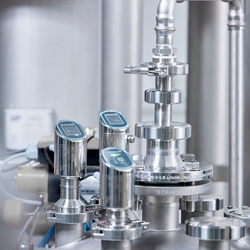
Level measurement
Continuous level measurement and point level detection in liquids and bulk solids
F
L
E
X
Simple products
Easy to select, install and operate
Technical excellence
Simplicity
Standard products
Reliable, robust and low-maintenance
Technical excellence
Simplicity
High-end products
Highly functional and convenient
Technical excellence
Simplicity
Specialized products
Designed for demanding applications
Technical excellence
Simplicity
FLEX selections
Technical excellence
Simplicity
Fundamental selection
Meet your basic measurement needs
Technical excellence
Simplicity
Lean selection
Handle your core processes easily
Technical excellence
Simplicity
Extended selection
Optimize your processes with innovative technologies
Technical excellence
Simplicity
Xpert selection
Master your most challenging applications
Technical excellence
Simplicity
New
Compare
Accuracy
Standard:
Process temperature
Standard:
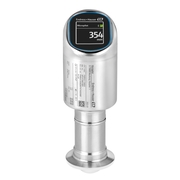
Pressure measuring range
100 mbar…100 bar
Material process membrane
316L
Measuring cell
100 mbar…100 bar
Accuracy
+/-1 mm (0.04 in)
Process temperature
-40 to +150 °C
Process pressure / max. overpressure limit
-1 to +20 bar
Max. measurement distance
15 m (49 ft)
Main wetted parts
PEEK
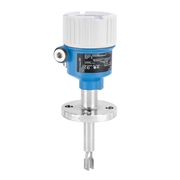
Process temperature
-50 °C...+150 °C
Process pressure / max. overpressure limit
Vacuum...100 bar
Min. density of medium
0.5 g/cm³
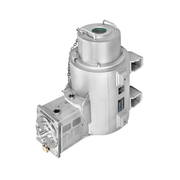
Process temperature
-52°C...+450°C
Process pressure / max. overpressure limit
Any
Main wetted parts
Non-contact
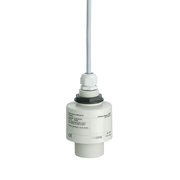
Accuracy
+/- 2mm + 0.17% of measured distance
Process temperature
-40 °C ... 80 °C
Process pressure / max. overpressure limit
0.7 bar ... 4 bar abs
Max. measurement distance
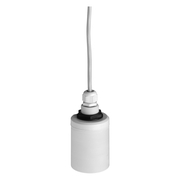
Liquids: 3 m (9.8 ft),
Main wetted parts
PVDF (IP68 / NEMA6P)
Accuracy
+/- 2mm + 0.17% of measured distance
Process temperature
-40 °C ... 80 °C
Process pressure / max. overpressure limit
0.7 bar ... 4 bar abs
Max. measurement distance
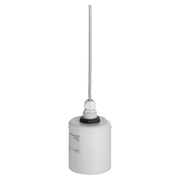
Liquids: 10 m (33 ft),
Main wetted parts
PVDF (fully welded IP68 / NEMA 6P)
Accuracy
+/- 2mm + 0.17% of measured distance
Process temperature
-40 °C ... 105 °C
Process pressure / max. overpressure limit
0.7 bar ... 4 bar abs
Max. measurement distance
Liquids: 10 m (33 ft),
Main wetted parts
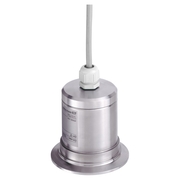
316L (fully welded IP68 / NEMA 6P)
Accuracy
+/- 2mm + 0.17% of measured distance
Process temperature
-40 °C ... 95 °C
Process pressure / max. overpressure limit
0.7 bar ... 4 bar abs
Max. measurement distance
Liquids: 20 m (65 ft),
Main wetted parts
PVDF (fully welded IP68 / NEMA 6P)
Do you need help selecting and sizing your next device?
Comfortably select, size and configure best-fit products for your measuring tasks and application.
Instrumentation for level measurement
Endress+Hauser provides versatile devices for continuous level measurement and point level detection in liquids, pastes, bulk solids and liquefied gases. The level instruments are designed for use in tanks, silos or movable containers in a wide range of industries, ensuring measurement accuracy, safety and efficiency in process control.
Level measurement technologies
Endress+Hauser offers a broad portfolio of level measurement technologies designed to meet specific application requirements. Depending on the application, level measurement can be performed using vibronic, ultrasonic, radar, hydrostatic, radiometric or differential pressure technologies. This wide choice of measuring principles ensures reliable performance, even in demanding process environments with high pressures, extreme temperatures or aggressive media.
Endress+Hauser supports customers throughout the entire lifecycle of a measuring point – from planning and commissioning to operation and maintenance. During operation, level sensors play a key role in preventing overfill and dry‑running, particularly in pump control and safety‑related applications. This helps ensure safe, efficient and stable process conditions.
Improved plant safety: Overfill and dry-run conditions can be avoided through the use of appropriate level sensors, particularly in pump control applicationsHigh measurement accuracy: Precise detection of levels in solids and liquids contribute to consistent product quality and effective process controlApplication flexibility: A wide range of technologies support diverse container types and media, including liquids, bulk solids, pastes and liquefied gasesConsistent product quality: Continuous level measurement enables stable production processes, helping to maintain consistent quality standards and reduce wasteCost efficiency: Robust instrument design, low maintenance requirements and long-term measurement stability reduce operating costs and minimize unplanned downtimeGlobal availability: Endress+Hauser offers a global portfolio of level instruments, complemented by worldwide service, support and application expertise
Learn more about level instruments and level measurement principles
What is level measurement and what does a level transmitter do?
Level measurement refers to the determination of the height or volume of media, such as liquids, bulk solids or slurries within industrial containers, including tanks, silos and vessels. It is a key measurement variable for process control, inventory management and plant safety in industrial applications.
Modern level measurement technologies are designed to meet a wide range of application requirements and process conditions. By providing reliable and accurate measurement results, they help optimize production processes.
The primary function of a level transmitter is to measure the level of a process medium and convert this physical value into a standardized electrical signal, such as analog 4–20 mA signals, HART or digital communication protocols. This signal is transmitted to control and automation systems for monitoring, process control and decision‑making. In industrial applications, a level transmitter continuously measures the level in tanks or vessels and provides reliable data to control filling and emptying processes, support inventory management and ensure safe and efficient plant operation.
What is the difference between a level switch and a level transmitter and what are the four main measurement functions supported by level transmitters?
A level switch detects a specific point level (e.g. high or low level) and triggers a switching signal. A level transmitter provides continuous level measurement data for monitoring, process control and automation.
Level transmitters support multiple measurement functions depending on the application and process requirements. The four key measurement functions are:
Continuous level measurement: Provides real-time measurement of the exact level of a process medium, making it ideal for process control, inventory management and volume monitoring.Point level detection: Detects when a predefined level is reached (for example, high or low level) and is commonly used for alarms, pump control and overfill protection.Interface measurement: Measures the interface between two different process media, such as oil and water, ensuring reliable separation, monitoring and process control in multi-phase applications.Density measurement: Measures the density of a process medium, supporting quality and concentration monitoring as well as process optimization in industrial applications.
What are the types of level transmitters?
Level transmitters are used to measure the level of liquids, solids, or bulk materials in tanks, silos and vessels. Based on the underlying measuring principle, level measurement technologies can be grouped into the following main types:
Non-contact sensors
Non‑contact level sensors measure the level without physical contact with the medium. They are ideal for aggressive, corrosive, high‑temperature or hygienic applications.
Radar level transmitters – Use electromagnetic waves to determine the level by measuring the time of flight of the reflected signal.Ultrasonic level transmitters – Emit ultrasonic sound waves and calculate the fill level based on the time of flight of the reflected signal.Contact sensors (electrical & electromagnetic)
These level sensors are in direct contact with the medium and use electrical or electromagnetic properties to determine the level.
Guided wave radar transmitters – Transmit microwave pulses along a probe to measure continuous levels and interfaces of liquids, solids and slurries with high accuracy.Capacitance level transmitters – Measure changes in capacitance caused by the medium acting as a dielectric between the probe and the reference electrod. Suitable for liquids and bulk solids.Contact sensors (pressure-based)
Pressure-based level sensors determine the level by measuring the hydrostatic pressure exerted by the medium.
Hydrostatic level transmitters – Calculate the level from the pressure created by the liquid column inside the vessel.Differential pressure (DP) level transmitters – Use differential pressure measurements and the known density of the medium to determine the level, especially in closed tanks.Pressure level transmitters – Measure the pressure of the resting fluid to determine the fill level.Mechanical sensors
Mechanical level measurement relies on physical movement caused by the changing level.
Float level transducers – Detect level based on the position of a float that rises and falls with the liquid level. Depending on the design, float systems are used for point level detection (e.g. level alarms) or for continuous level measurement in mechanical gauging applications.Weight-based systems
Weight‑based systems determine the level indirectly by measuring the total weight of the container.
Weighing systems – Provide accurate and reliable level measurement by continuously monitoring the weight of tanks, silos or vessels and their contents.
What influences the choice of level measurement technology?
The selection of the right level measurement technology depends on several application‑specific factors. Key criteria include the process conditions, the medium properties and the measurement requirements:
Physical and chemical properties of the medium, such as density, conductivity, corrosiveness, viscosity, or tendency to build-up Tank geometry and installation conditions, including vessel size, shape, internal fittings and mounting position Required measurement accuracy and response time, depending on whether the application is for monitoring, control, or safety functions Process and environmental conditions, such as temperature, pressure, dust, foam, or vapor formation Industry‑specific standards and regulations, for example hygienic design requirements in the Food & Beverage and Life Sciences industries Need for pressure or temperature compensation, especially in applications with fluctuating process conditions
What is the difference between contact and non-contact level measurement?
Contact and non‑contact level measurement differ mainly in whether the measuring device is in direct contact with the process medium. The choice between these technologies depends on the application conditions, the properties of the medium and maintenance requirements.
Contact level measurement uses sensors that are physically in contact with the medium. Typical examples include guided wave radar, hydrostatic pressure transmitters, float‑based devices and capacitance probes. These technologies provide direct and reliable level readings, especially in clean, stable, or controlled process environments. However, because the sensor is exposed to the medium, contact measurement may require more maintenance, particularly in applications with build-up, abrasion, or aggressive substances.
Non‑contact level measurement determines the level without touching the medium. Technologies such as radar, ultrasonic, or laser level sensors measure the distance to the product surface from above or from outside the vessel. Non‑contact level measurement is ideal for aggressive, hot, corrosive, or hygienic applications, as it minimizes wear, contamination risk and maintenance effort, even under challenging process conditions.
What is tank gauging?
Tank gauging is a specialized form of level measurement used to accurately determine the volume, mass and temperature of liquids stored in large tanks, silos and storage vessels.While conventional level measurement focuses on detecting the level height or interface of a product, tank gauging goes a step further by combining level data with additional parameters, such as temperature and density.
By integrating these measurements, tank gauging enables precise inventory calculation, real‑time communication with control and inventory management systems and reliable monitoring of stored products. This makes tank gauging an essential solution for inventory management, custody transfer and process optimization, helping operators improve storage efficiency, reduce losses and support informed decision‑making.
Why is inventory control important in tanks and vessels?
Accurate inventory control in process vessels, storage tanks and silos is essential for efficient operations, safety and cost optimization. Reliable inventory data helps operators avoid overfilling or running empty, improve material availability and reduce unnecessary stock levels.
Inventory control can be challenging due to varying tank geometries, changing media properties and influencing process and environmental conditions. To address these challenges, modern inventory management systems integrate continuous level measurement, temperature monitoring and volume calculation into a single, automated solution.
By providing real‑time inventory information and seamless communication with control and automation systems, inventory control enables better process control, maintenance planning and data‑driven decision‑making. As a result, continuous level measurement and automated inventory monitoring significantly enhance resource efficiency, operational transparency and overall plant performance.
Inventory control and level measurement solutions are used across a wide range of industries, each with specific requirements and challenges. Typical industry‑specific inventory control applications include:
Food & Beverage : Hygienic level measurement solutions support safe and efficient processes in dairy, brewing, beverage, and food production environments. Sensors designed for hygienic applications help ensure product quality, compliance with hygienic standards and reliable inventory control during production and storage.Chemical: In chemical storage and processing applications, reliable and accurate level measurement is essential to improve operational safety, prevent overfilling and ensure precise inventory tracking. Robust measurement technologies support safe handling of aggressive, corrosive or hazardous media under demanding process conditions.Oil & Gas: In the oil and gas industry, radar‑based, magnetic and radiometric level measurement technologies provide robust and reliable performance in large storage tanks and tank farms. These solutions support accurate inventory management, custody‑related applications and safe operation under extreme temperatures and pressures.
What is custody transfer?
Custody transfer refers to the commercial handover of a fluid or commodity from one party to another, where the measured quantity forms the basis for financial settlement, taxation, or contractual obligations. It is commonly used in industries such as Oil & Gas, Chemical, Power & Energy and utilities, whenever ownership of liquids or gases changes.
Custody transfer measurements must comply with international and national metrology standards, such as MID, OIML, or API regulations, to ensure high accuracy, traceability and legal compliance. Because even small measurement errors can lead to significant financial losses, custody transfer requires certified measurement systems and highly accurate instruments.
What is a calibration and why is it important for level transmitters?
Calibration is the process of comparing the measured value of a level measurement device with a known reference standard to identify any deviation from the expected result. It verifies whether the instrument measures accurately within defined tolerances and provides documented traceability to recognized standards.
Calibration is important for level measurement devices because process conditions, temperature changes and long‑term operation can influence measurement accuracy over time. Regular calibration helps detect measurement drift, ensures reliable level readings and supports process safety, product quality and compliance with quality standards such as ISO 9001. In industrial applications, accurate level measurement is essential for inventory management, overfill protection and efficient process control.
Endress+Hauser provides factory calibration services for its measuring devices, performed under controlled production conditions in dedicated calibration centers. These factory calibrations are documented and certified, ensuring traceability and compliance with relevant quality standards before the device is delivered to the customer. Factory calibration helps ensure high measurement accuracy, reliable performance and audit‑ready documentation from the very start of the instrument’s lifecycle.
How often should level transmitters be calibrated and which factors influence the calibration frequency of level transmitters?
The calibration frequency for level measurement devices depends on the application, process conditions and accuracy requirements. There is no fixed interval that applies to all level instruments. Instead, calibration intervals are typically defined based on risk, regulatory requirements and manufacturer recommendations. In many industrial applications, level measurement devices are calibrated at regular intervals to ensure long‑term measurement accuracy, process safety and compliance with quality standards. Factors such as temperature fluctuations, product build-up, mechanical stress and long‑term operation can influence measurement performance over time, making periodic calibration essential.
The calibration frequency of level transmitters depends on several application‑specific and environmental factors. Key influences include process conditions such as temperature fluctuations, pressure changes, product build-up and media properties, which can affect sensor performance and long‑term measurement stability. Additional factors are environmental influences like vibration or ambient temperature changes, as well as the required measurement accuracy and the criticality of the level measurement for process safety, inventory control, or quality assurance. Level transmitters used in safety‑critical or regulated applications typically require shorter calibration intervals to ensure reliable and compliant level measurement.
Several factors determine how often a level measurement device should be calibrated:
Process conditions such as temperature fluctuations, pressure cycles and aggressive media Environmental influences, including ambient temperature changes and vibration Accuracy requirements of the application Industry regulations and internal quality standards
Show more
Show less
Particularly small, exceptionally powerful: the Compact Line
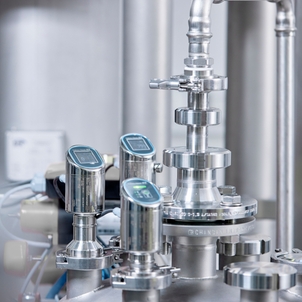
The Compact Line offers high performance in a compact design. The product portfolio includes the Micropilot FMR43 , a compact radar device for non-contact level measurements with either 80 GHz or 180 GHz, as well as the proven-in-use point level sensor Liquiphant FTL43 and a reliable Cerabar PMP43 for pressure and hydrostatic level measurement. Specifically designed to meet the requirements in hygienic applications, our solutions increase the productivity, safety and simplicity of processes.
All the advantages of digital radar sensors for your mobile and stationary level measurement.
All the benefits of the new generation of 80 GHz radar sensors for your level measurement.
All of the benefits of the new generation of 80 GHz radar sensors for level measurement in the primaries and metals and mining sectors.
All the benefits of the new generation of 80 GHz radar sensors for level measurements in the chemical and oil and gas industry.
All of the benefits of the new generation of 80 GHz radar sensor for hygienic level measurements in the life sciences, food and beverage industries.
All the advantages of the Compact Line for hygienic applications in the Food & Beverage and Life Sciences industries.
All the advantages of our new Micropilot FMR10B, FMR20B and FMR30B for Water, Wastewater & Waste, Mining, Minerals and Metals and utilities across all industries.
The advantages of FlexView FMA90 for level monitoring, visualization and process control in water and wastewater as well as bulk solid applications.
Downloads
Explore additional resources
Level Measurement Overview brochure
Products and services of our level measuring technologies for liquids and solids at a glance
Download
We value your privacy
We use cookies to enhance your browsing experience, collect statistics to optimize site functionality, and deliver tailored advertisements or content.
By selecting "Accept all", you consent to our use of cookies.cookie policy .
Customize
Accept only essential
Accept all